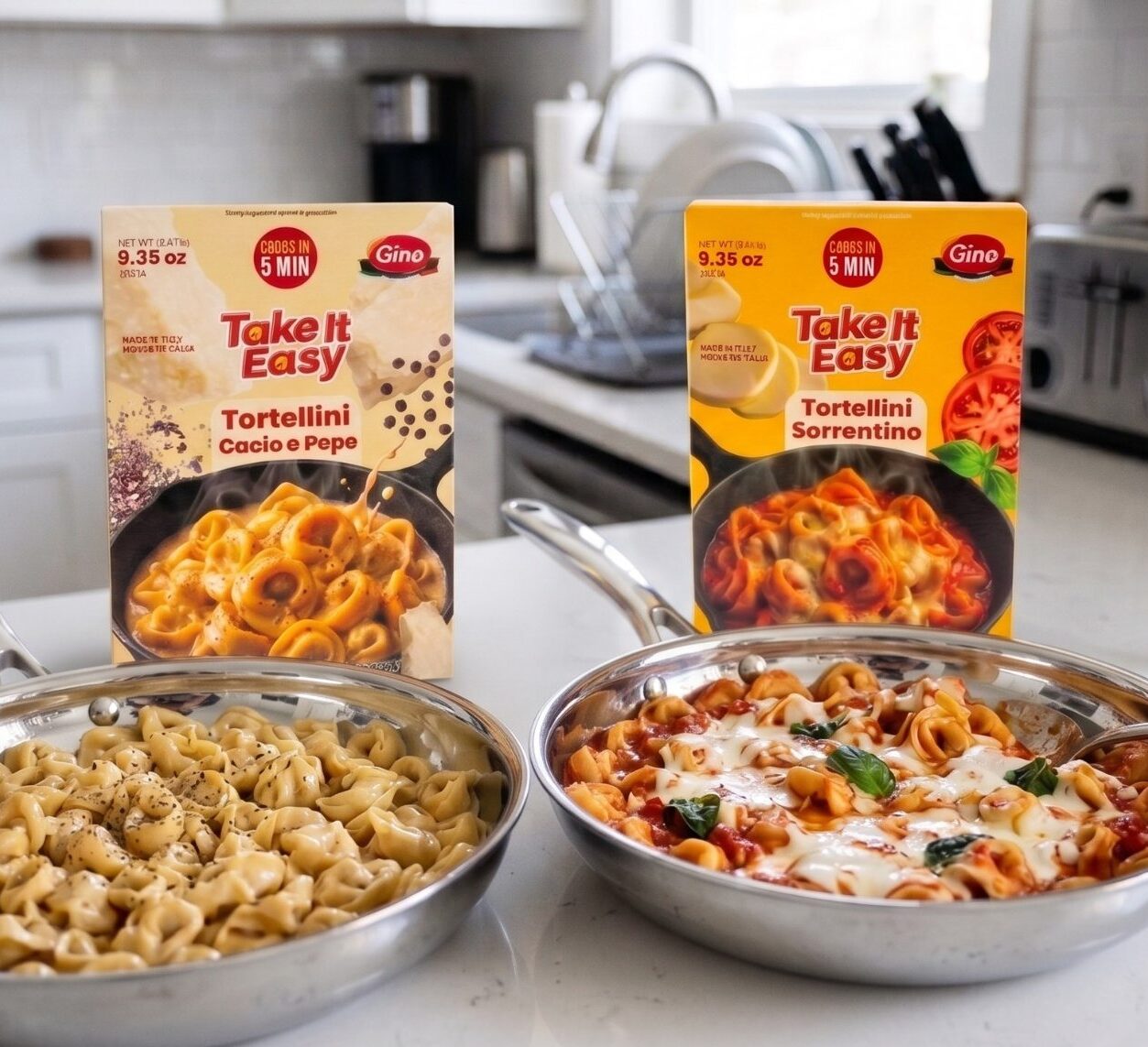
Filled pasta is one of the fastest-growing categories in private label, but not every manufacturer is equipped to deliver it at retail scale, consistently, and safely. For category managers and sourcing teams evaluating suppliers, the difference between a good partner and a risky one often comes down to a handful of operational and quality factors that aren’t always visible from a product spec sheet alone.
This guide breaks down what to actually look for when selecting a private label filled pasta manufacturer.
What “Private Label Filled Pasta” Really Means
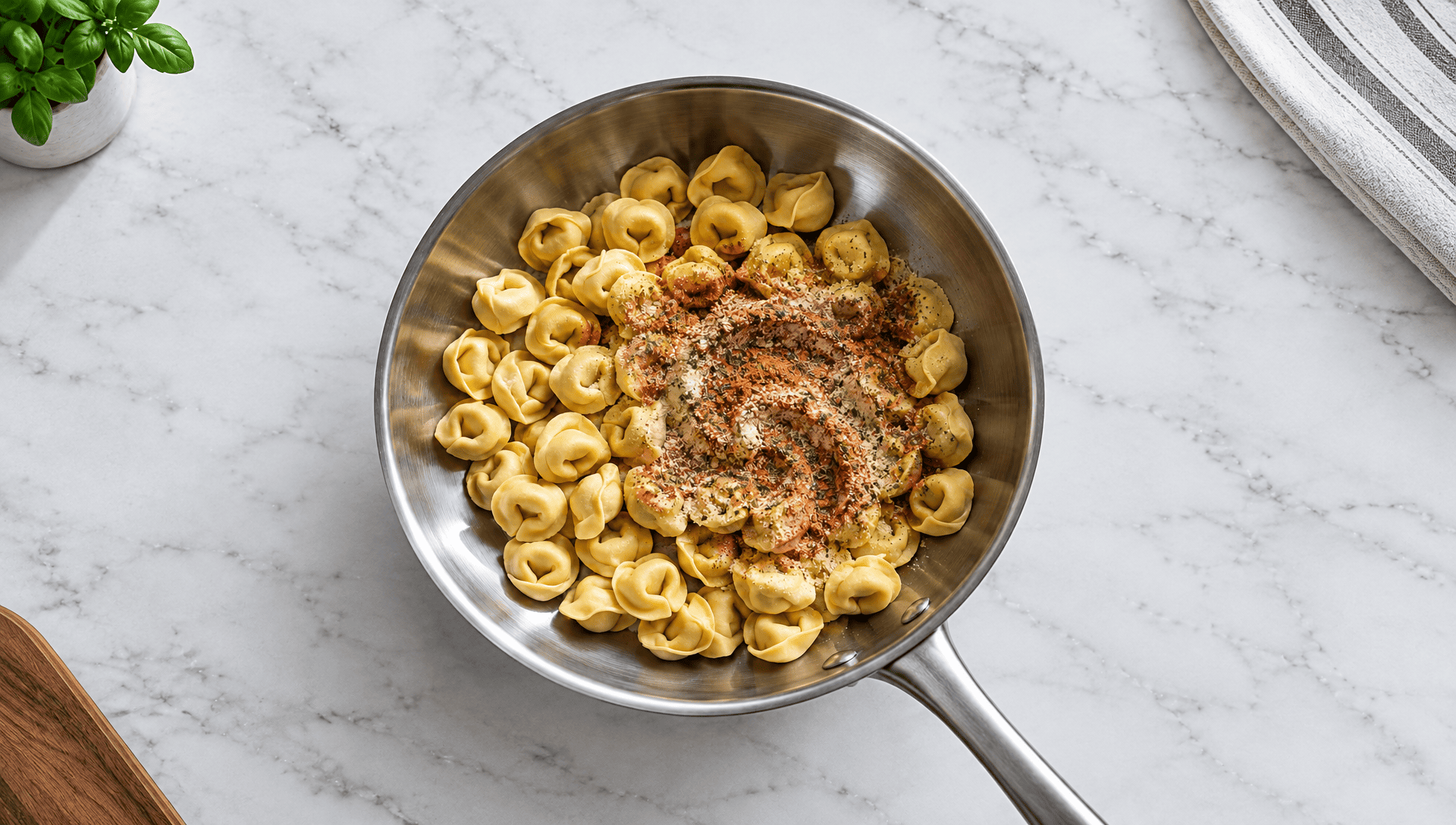
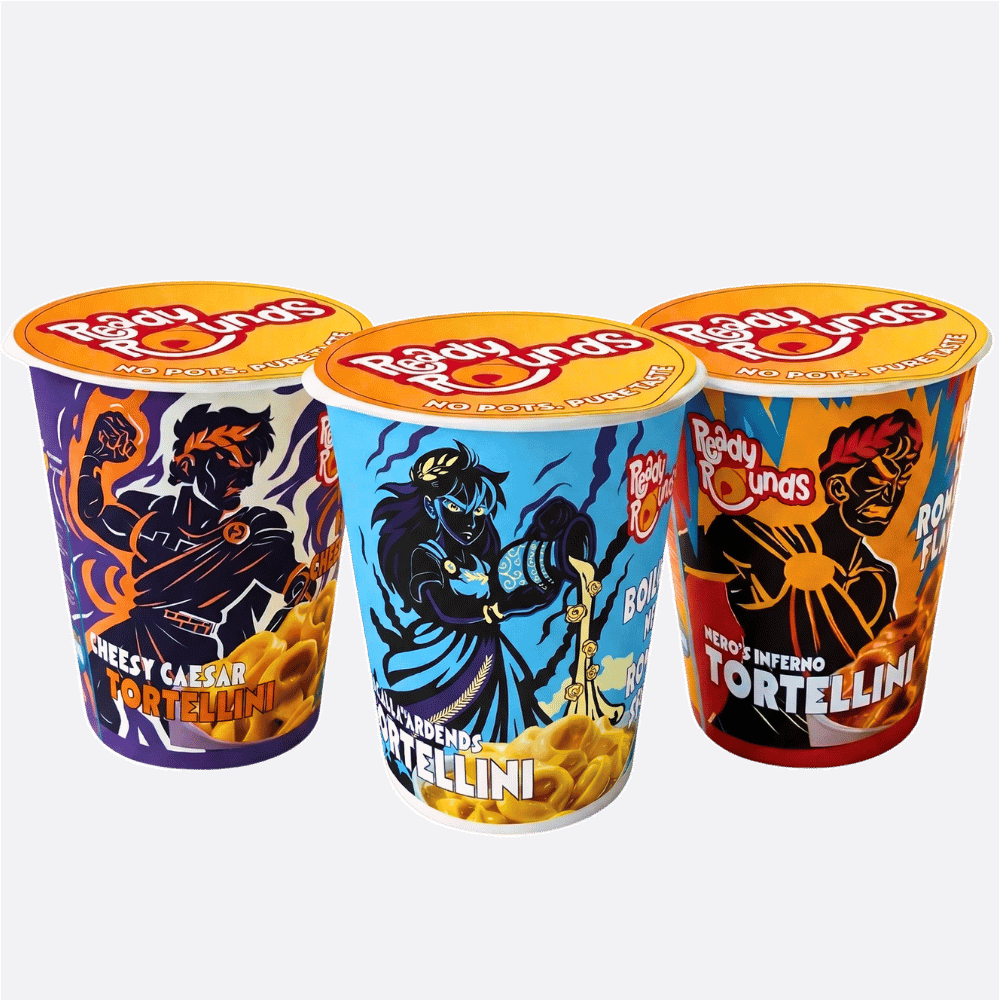
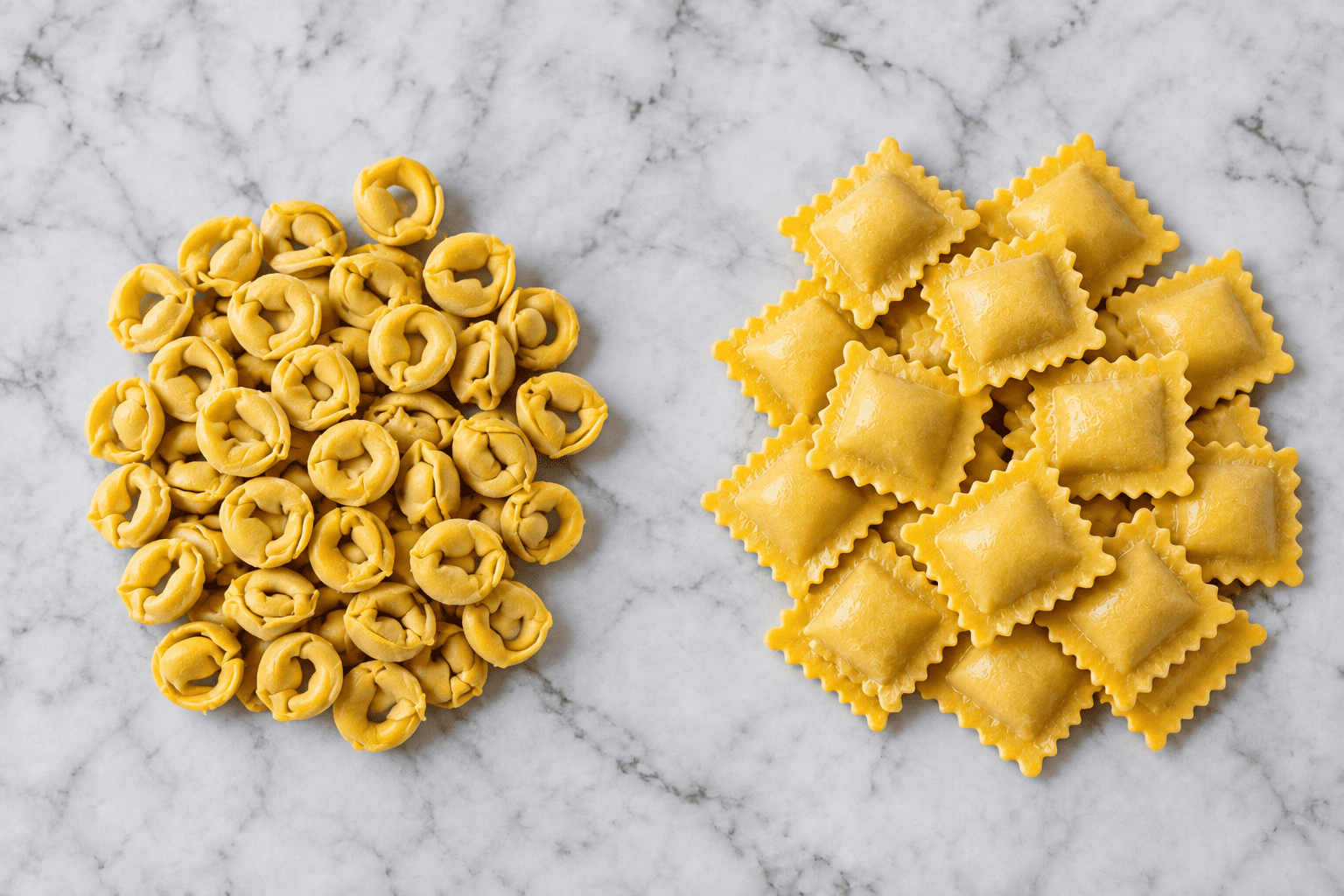
Private label filled pasta covers a wide range of formats — tortellini, tortelloni, ravioli, and increasingly, ready-to-eat and ready-to-cook formats — all produced under a retailer’s own brand rather than a manufacturer’s commercial label. Unlike dry pasta, filled pasta introduces additional complexity: filling stability, moisture control, and shelf-life management all have to be engineered into the product, not just the packaging.
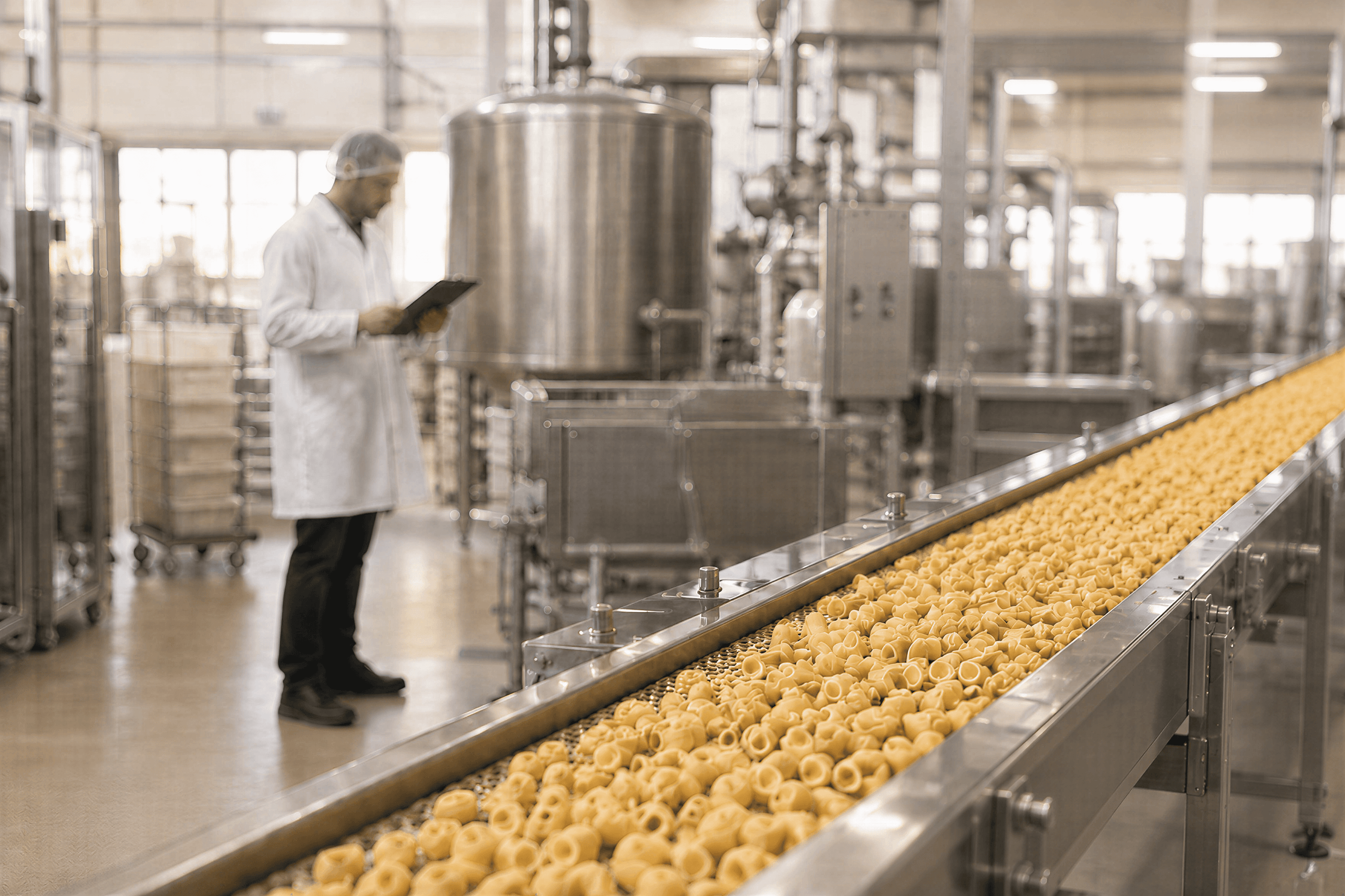
This is why not every pasta producer can credibly offer filled pasta private label programs. The category demands dedicated production lines, specific drying technology, and a level of quality control that dry pasta alone doesn’t require.
Certifications That Matter
Before evaluating flavor profiles or packaging options, the first filter should always be food safety certification. Two standards are considered baseline for serious private label partners:
- IFS Food — verifies food safety and quality management systems across the production process
- BRC Global Standard for Food Safety — widely required by UK and international retailers as a supply chain prerequisite
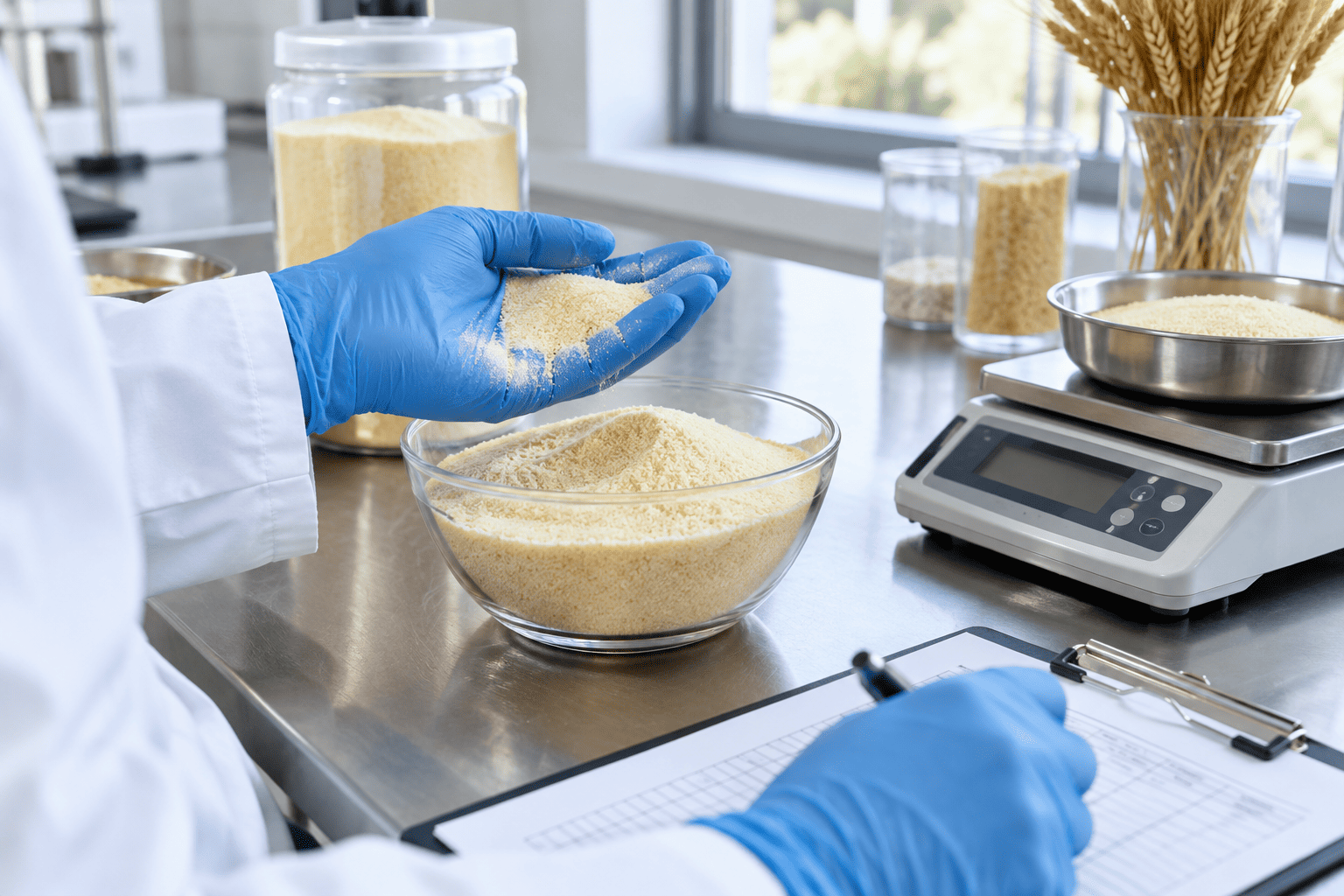
Beyond certification, ask about the supplier’s raw material qualification process: how are flour and filling ingredients sourced, tested, and traced back to their origin? A credible manufacturer will be able to show supplier qualification procedures, certificates of analysis, and batch-level traceability documentation without hesitation.
Production Capacity and Flexible MOQs
Private label programs vary enormously in scale — from a regional retailer testing a new line to a national chain rolling out across hundreds of stores. The right manufacturing partner should be able to accommodate both without forcing you into rigid minimum order quantities.
Look for suppliers who can offer:
- Modular batch sizes scaled to your rollout plan
- Dedicated filled pasta production lines (not shared with unrelated categories)
- Documented annual production capacity, so you understand headroom for growth
Traceability and Supplier Qualification Systems
A mature private label manufacturer doesn’t just produce pasta — it manages a full chain of custody on every ingredient that goes into it. This means:
- A formal supplier qualification and monitoring procedure
- Incoming batch registration and quality checks at receipt
- Non-conformity tracking and corrective action records
- Full lot traceability from raw material to finished pack
These systems matter not just for compliance, but for crisis-readiness: if an issue ever surfaces, a manufacturer with robust traceability can isolate the affected batch quickly, protecting both your brand and your shelf.
Questions to Ask Before Signing a Supply Agreement
Before finalizing a private label partnership, it’s worth asking directly:
- What shelf-stable technology do you use, and what’s the guaranteed shelf life at room temperature?
- Can you share your IFS/BRC audit history?
- What is your typical product development timeline for a new private label reference?
- Do you have flexibility on MOQs for a phased rollout?
- What does your traceability documentation look like at the batch level?
A manufacturer that can answer these clearly — with documentation to back it up — is one worth building a long-term category partnership with.
Interested in a private label filled pasta program? Our team works with international retail and GDO partners to develop custom filled pasta references, from recipe development to shelf-stable production at scale. [Talk to our private label team →]