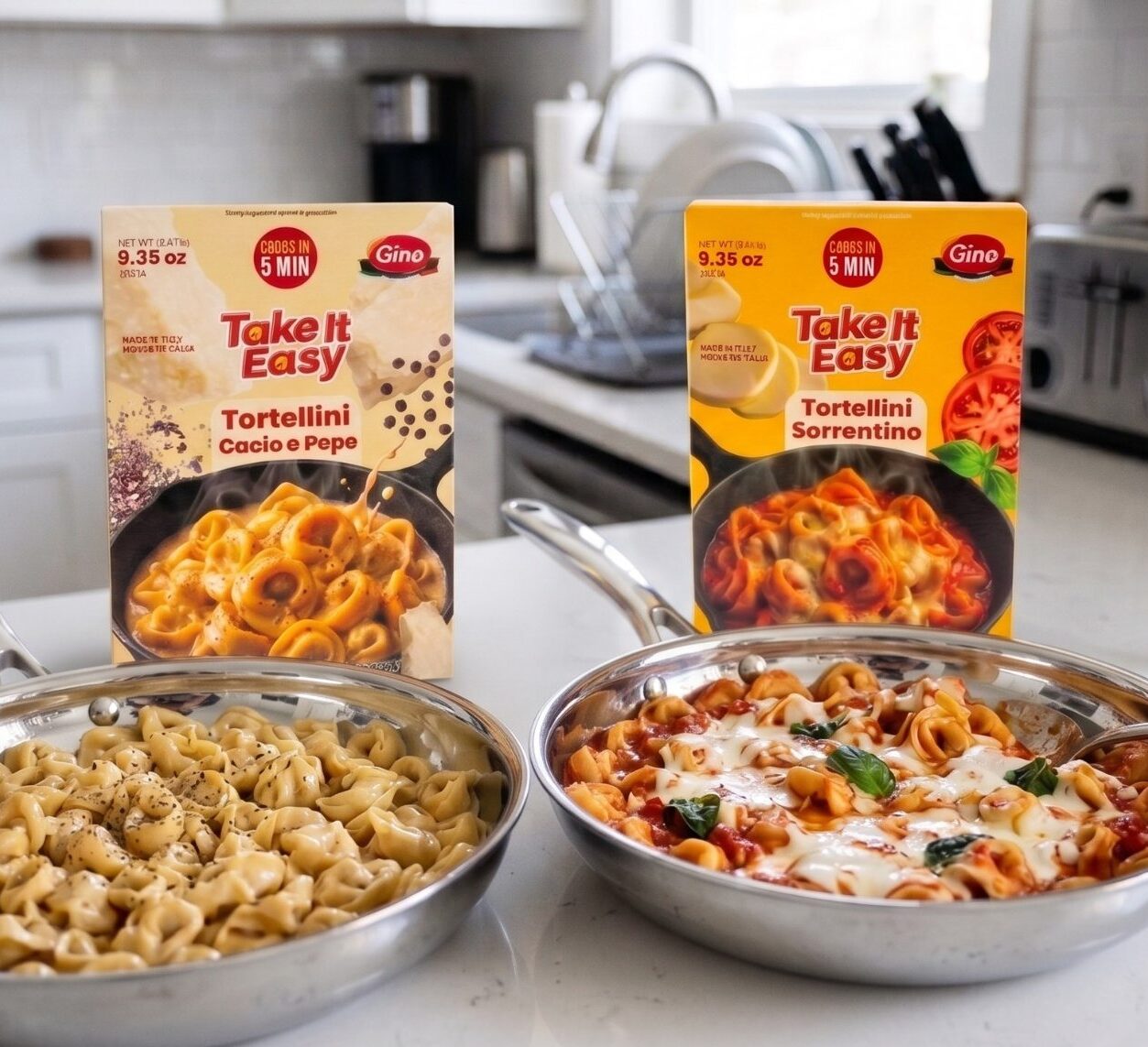
Between fully scratch-cooked meals and fully instant ones, there’s a growing consumer segment looking for something in between: real culinary technique, delivered with minimal complexity. Take It Easy is built specifically for that gap — and it points to a broader private label opportunity in premium ready-to-cook.
The Gap Between Scratch-Cooking and Instant Meals
Gourmet home cooking has a complexity problem. Techniques like mantecatura — the Italian method of finishing pasta in-pan to create a silky, emulsified sauce — traditionally require skill, timing, and multiple components managed simultaneously. Most convenience formats solve this by removing the technique altogether, which also removes the quality outcome that technique produces. Take It Easy takes a different approach: it engineers the technique into the product itself.
Dual-Phase Sauce Technology, Explained
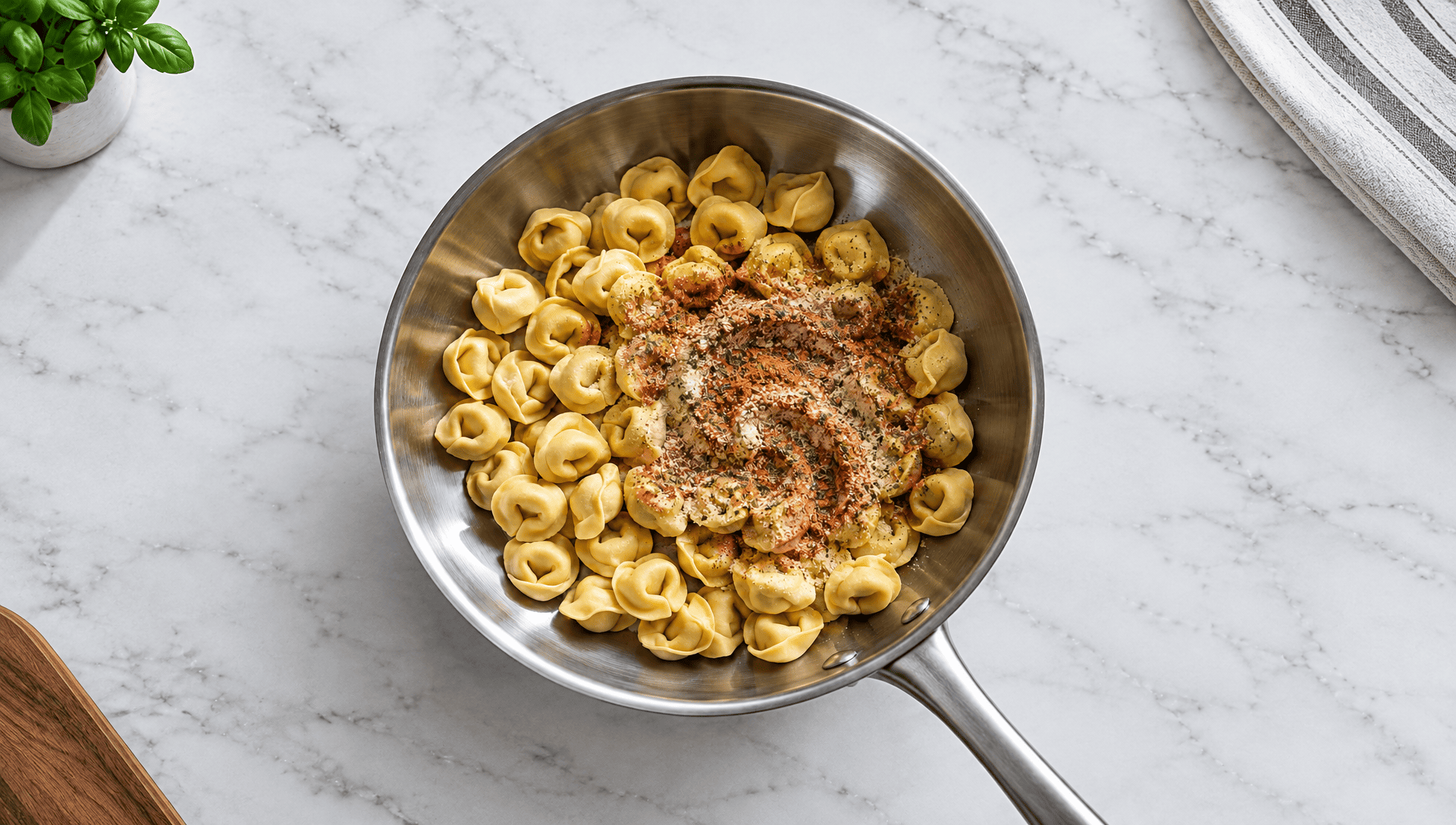
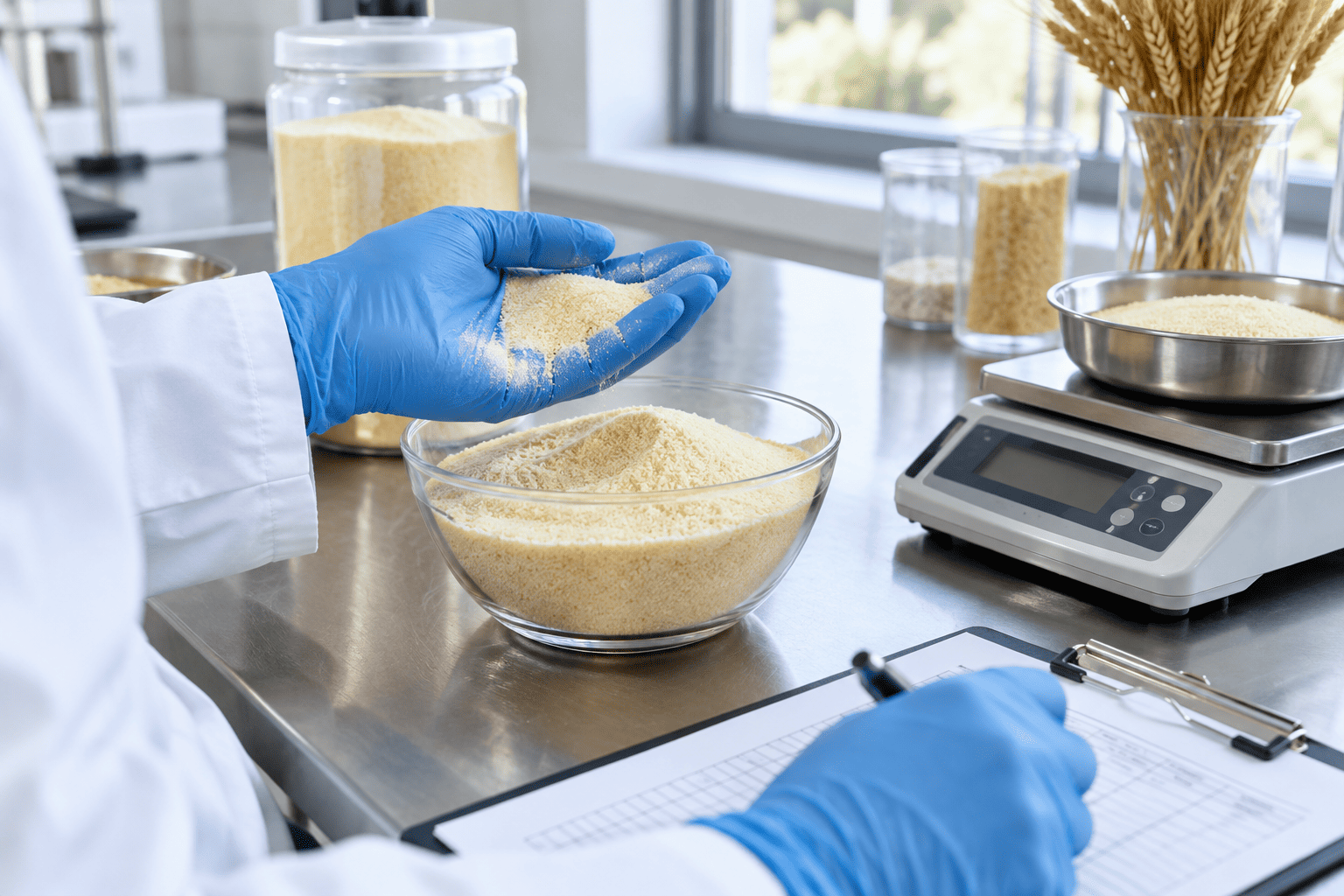
The system relies on a dried sauce component designed to react directly in the pan with added water, forming a stable, restaurant-quality emulsion — the same textural outcome professional mantecatura achieves, without requiring the user to manage the process manually. This is paired with pasta engineered for simultaneous rehydration and sauce absorption during a roughly 6-minute pan-finishing process, so the starch release and sauce formation are synchronized by design rather than left to chance.
Consumer Demand for “Gourmet at Home” Without Complexity
Consumer research across convenience categories consistently points to the same tension: people want restaurant-quality results at home, but decreasing time and confidence for hands-on cooking. A one-pan format that delivers a genuinely elevated result — using recognizable, high-quality ingredients like durum wheat semolina, and recipes such as Cacio e Pepe or Tomato & Scamorza — sits precisely at that intersection.
This also solves a seasonality problem that affects other convenience formats: unlike soups (winter-skewed) or cold pasta salads (summer-skewed), a warm, one-pan filled pasta kit has no strong seasonal ceiling, supporting more stable year-round sell-through.
Positioning Opportunities for Retail Assortment
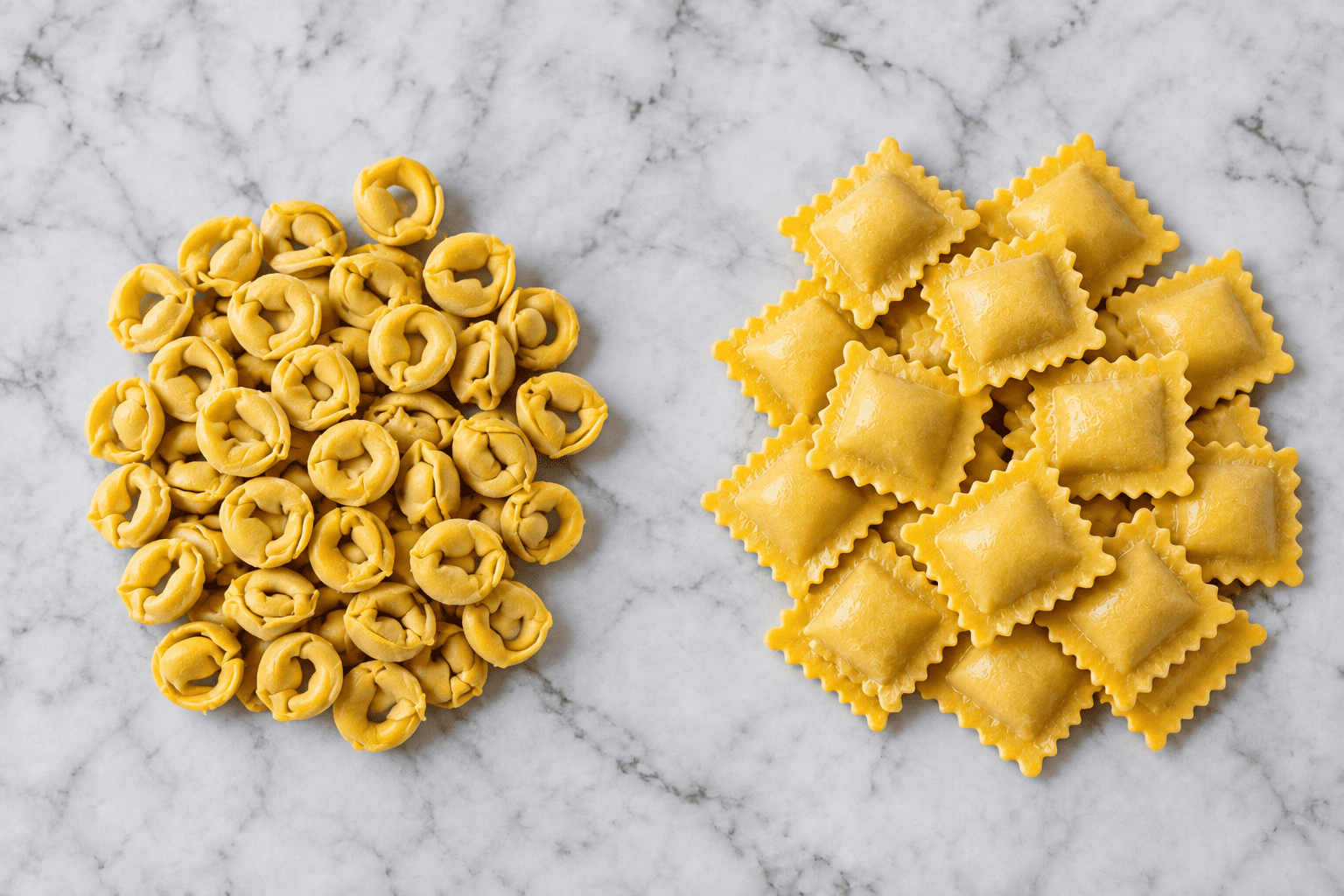
For category managers, one-pan gourmet kits offer a way to extend the private label filled pasta assortment upward — into a premium ready-to-cook tier that’s differentiated from both standard dry filled pasta and fully-prepared meal solutions. It’s a format that can command a higher price point while still communicating genuine value, because the “cooking” is visible and tactile, not hidden inside a microwave.
Why This Category Is Worth Watching
As convenience food continues to fragment into more specific occasion-based formats, one-pan kits represent a credible middle ground — positioned between fully scratch and fully instant, with technology doing the work that used to require culinary skill.