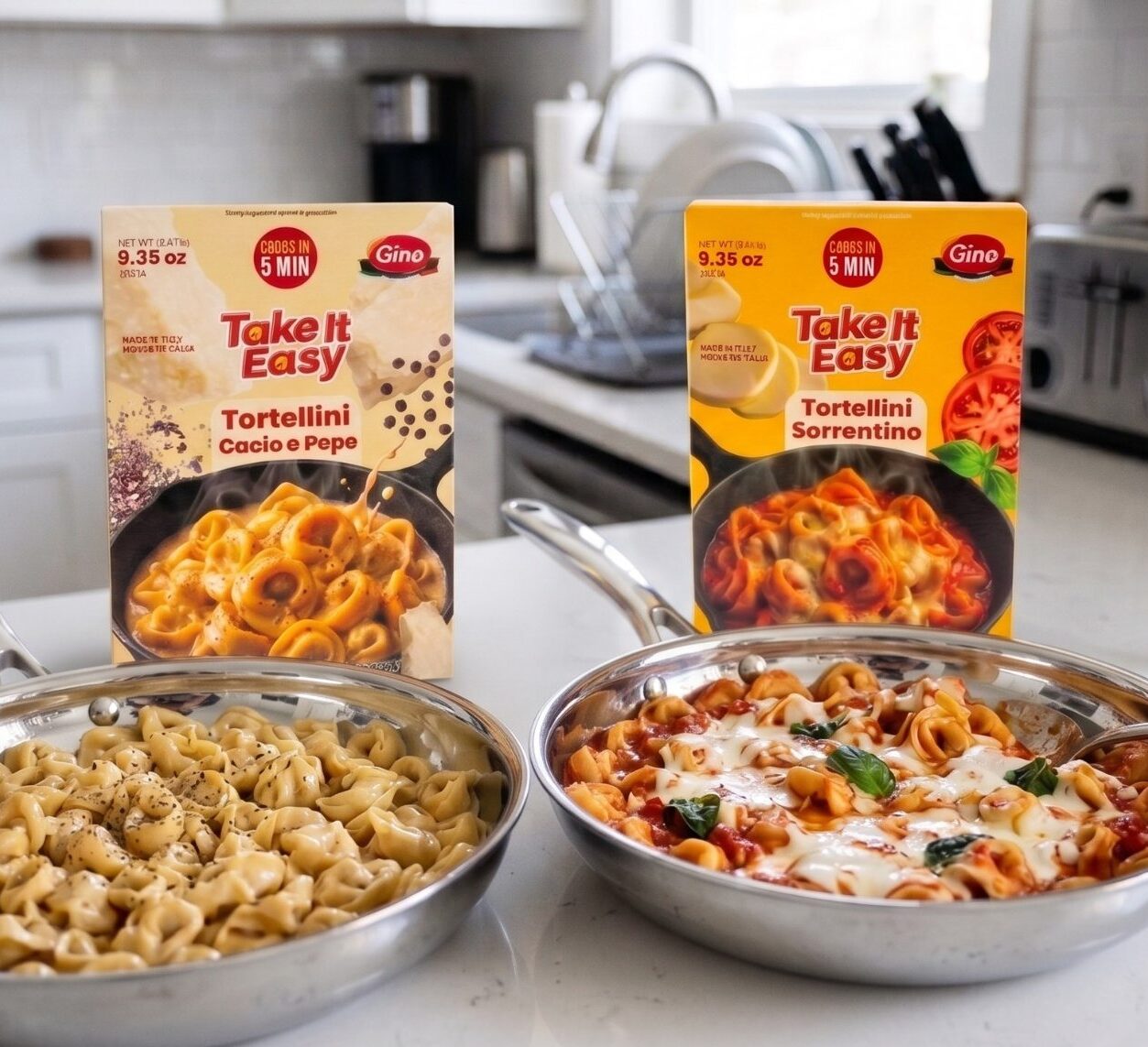
“Made in Italy” carries weight in the filled pasta category — but for retail buyers, the real question isn’t the label, it’s what stands behind it. Consistent quality at scale requires documented systems, not just tradition. Here’s what actually goes into producing filled pasta to the standard international retail requires.
Raw Material Sourcing and Supplier Qualification
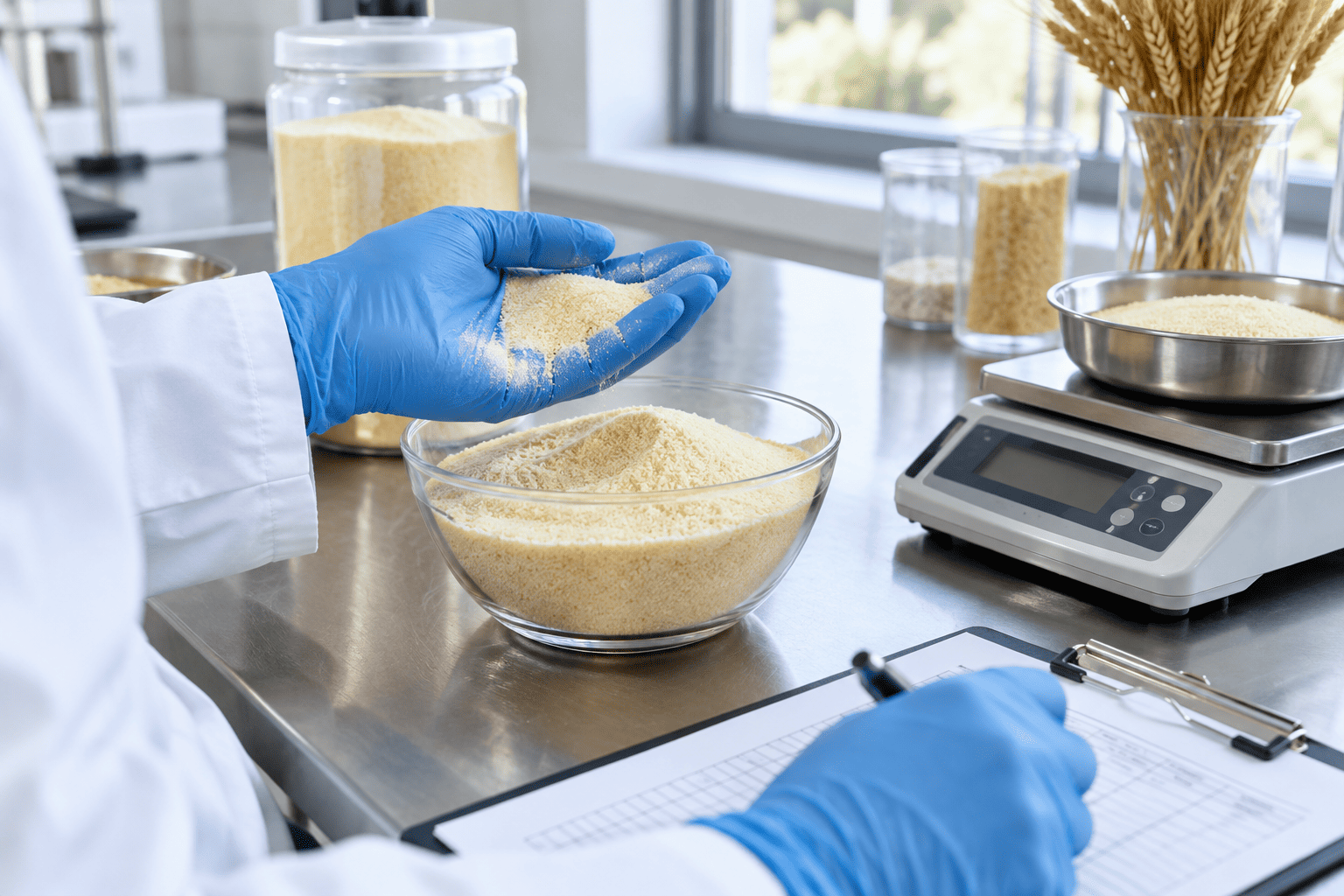
Quality starts before production even begins, with how raw materials are sourced and verified. A rigorous supplier qualification process typically includes:
- A formal procedure for qualifying and monitoring suppliers
- An approved supplier list, reviewed periodically
- Technical specifications and data sheets for every raw material
- Certificates of analysis or conformity declarations
- Registration of every incoming batch, with checks performed at receipt
This isn’t paperwork for its own sake — it’s what allows a manufacturer to guarantee consistency between batch 1 and batch 10,000.
Controlled Drying and Water Activity Reduction
The technology that makes shelf-stable filled pasta possible is controlled drying — a process engineered to reduce water activity (Aw) to levels that naturally inhibit bacterial growth, without relying on artificial preservatives. This is a fundamentally different approach from adding chemical stabilizers: the safety and shelf life come from the physical structure of the product itself.
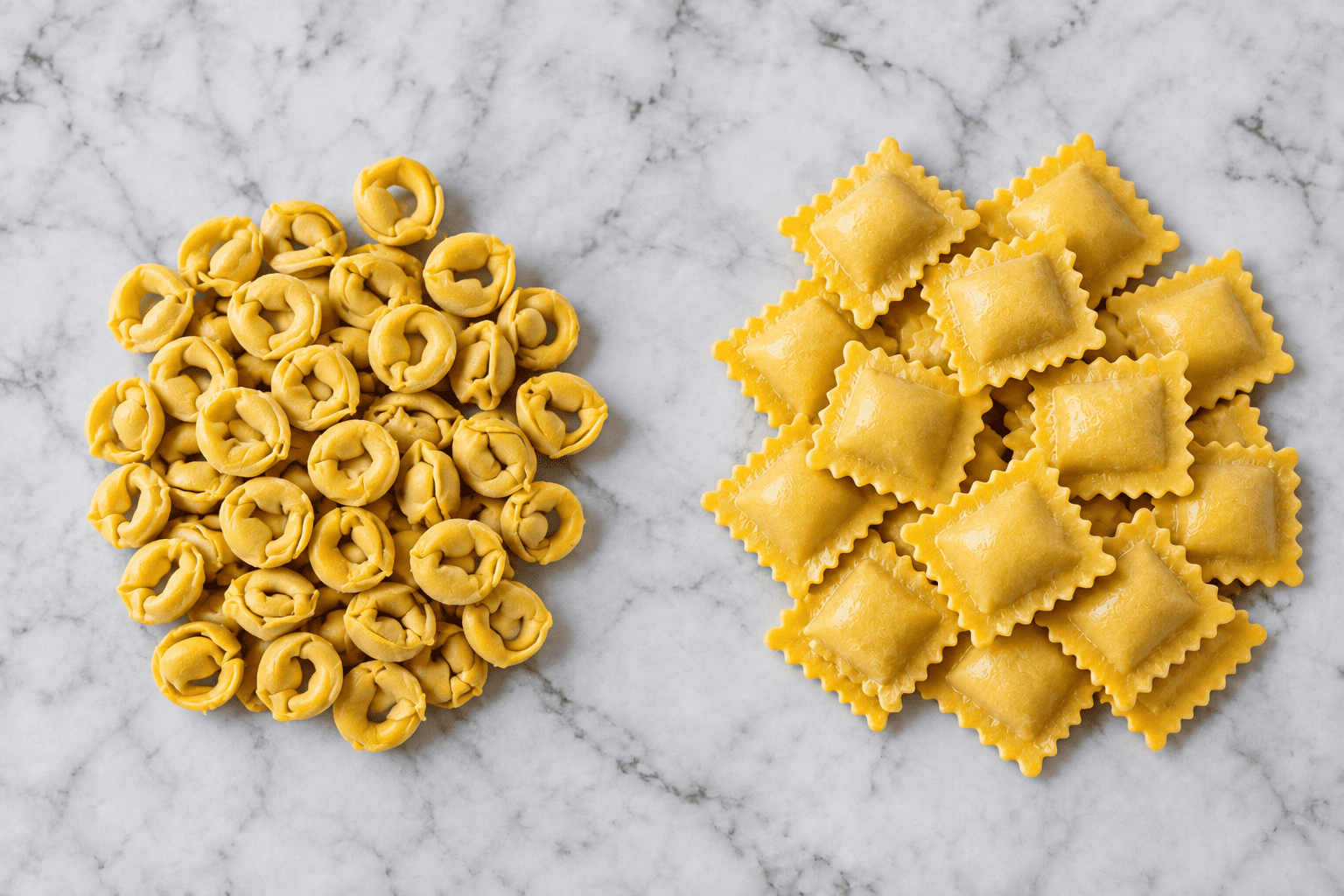
Getting this right requires precision. Filling stabilization technology has to prevent structural breakdown during drying and later during cooking or rehydration, so that the finished product still delivers the texture consumers expect from filled pasta — not a compromised, overly dense alternative.
Batch Traceability and Non-Conformity Management
Every serious private label manufacturer should be able to trace a finished pack back to its originating raw material batches. This includes:
- Lot identification and tracking systems
- Documented non-conformity records and corrective actions
- Retained samples and quality control checkpoints at each production stage
For retail buyers, this traceability isn’t just a compliance checkbox — it’s the mechanism that protects the brand on the shelf if any issue ever needs to be investigated.
Why “Made in Italy” Still Means Something in Filled Pasta
Filled pasta production in Italy benefits from generations of technical know-how around dough structure, filling formulation, and sealing technique — but in 2026, that heritage has to be paired with industrial-grade certification (IFS Food, BRC Global Standard) to meet the expectations of international GDO and retail partners. The combination of traditional expertise and certified process control is what allows a manufacturer to scale private label programs without sacrificing the quality that makes filled pasta worth buying in the first place.